


The Ultimate Guide to Planning Your Residential Project
Understanding the Initial Planning Phase
The initial planning phase is a foundational step in any residential project, setting the stage for all subsequent activities. Clear objectives and goals must be established at this stage. This involves determining the budget, timeline, and scope of the project. A well-defined budget ensures financial feasibility, while a realistic timeline helps in setting project milestones and deadlines. The scope defines the project’s scale and complexity, which are crucial for resource allocation and planning.
Choosing the right location is another critical aspect of the initial planning phase. The ideal location should be in proximity to essential amenities such as schools, hospitals, and public transportation. Factors like neighborhood safety, community features, and future development plans also play a significant role in this decision. A well-chosen location can enhance the quality of life and potentially increase the property’s value over time.
Conducting a feasibility study is an indispensable part of the initial planning phase. This study assesses the project’s viability by examining zoning laws, environmental impact, and potential return on investment. Zoning laws dictate what can be built and where, ensuring compliance with local regulations. Environmental impact assessments identify any potential adverse effects on the surrounding environment, thus enabling the incorporation of sustainable practices. Analyzing the potential return on investment helps in understanding the financial benefits and risks associated with the project.
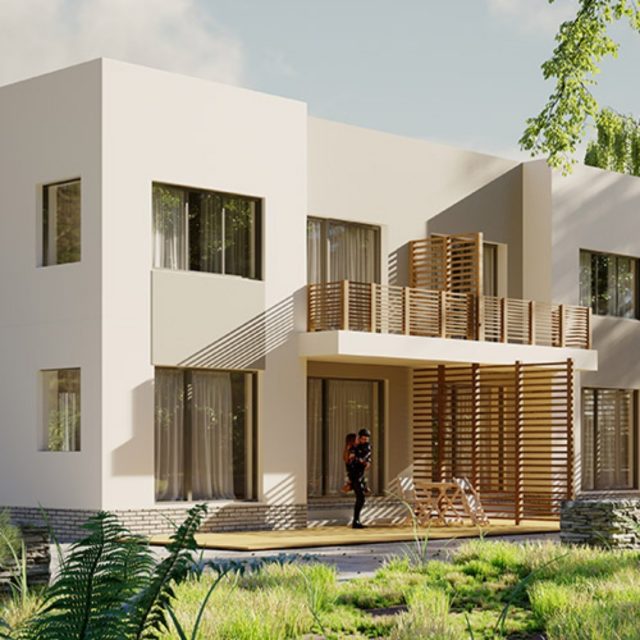
Initial architectural and design considerations are also paramount at this stage. Selecting an appropriate architectural style aligns the project with personal preferences and neighborhood aesthetics. Creating initial sketches provides a visual representation of the project, aiding in conceptualization and further planning. Consulting with architects and designers can bring professional insights and innovative solutions, ensuring the project’s design meets functional and aesthetic requirements.
Finally, obtaining necessary permits and approvals from local authorities is crucial before proceeding. This step ensures that the project complies with all legal and regulatory requirements, preventing potential delays and legal issues. These permits may include building permits, environmental clearances, and other relevant authorizations, depending on the project’s scope and location.
Executing the Construction and Development Phase
Transitioning from the planning stage to the execution phase of your residential project is a significant milestone. This phase involves turning detailed plans into actionable steps, beginning with hiring the right contractors and subcontractors. Selecting the right team is crucial; therefore, thorough vetting of potential candidates is essential. Look for experienced professionals with a strong portfolio and positive references. Ensure that contracts are comprehensive, clearly outlining the scope of work, timelines, and payment schedules to avoid misunderstandings and legal disputes.
Having a detailed project timeline and a construction schedule is paramount to keeping the project on track and within budget. A well-structured timeline helps in tracking progress and identifying any delays early, allowing for timely interventions. This schedule should include all phases of construction, from site preparation to the final touches, ensuring that each task is allocated sufficient time and resources.
Effective project management is the cornerstone of a successful residential project. The role of project management encompasses overseeing day-to-day activities, coordinating between different teams, and managing resources efficiently. A project manager ensures that all team members are aligned with the project goals and that any issues are promptly addressed, minimizing disruptions and maintaining the project’s momentum.
Site preparation is the first critical step in the construction phase. This involves clearing the site, grading it, and laying a solid foundation. Following this, framing, roofing, and installing utilities such as plumbing, electrical systems, and HVAC are undertaken. Each stage of construction requires meticulous attention to detail to ensure structural integrity and compliance with building codes.
Regular inspections and quality control checks are indispensable throughout the construction process. These inspections ensure that the work meets the required standards and building codes, preventing costly rework and ensuring safety. Engaging a qualified inspector to conduct these checks can provide added assurance that the construction is progressing correctly.
Finally, the finishing touches bring your residential project to life. This includes interior and exterior design elements, landscaping, and conducting final walkthroughs to ensure everything is in place before project completion. These final steps are crucial in delivering a polished and functional home that meets the envisioned design and quality standards.







Leave a Reply